Japan: Wildlife Encounters Rooted in Culture and Season
Japan’s wildlife is deeply tied to its seasons and its islands, from snow monkeys bathing in steaming hot springs to wild deer wandering ancient temple grounds. It’s a destination where wildlife watching is woven into everyday life and tradition, rather than confined to remote reserves.
Why Japan captivates wildlife travellers
Stretching over 3,000 kilometres from subarctic Hokkaido to the subtropical islands of Okinawa, Japan spans a remarkable range of climates and habitats. This gives rise to distinctly seasonal wildlife experiences — winter brings snow monkeys, cranes and sea eagles to the north, while warmer months bring whale watching and ancient forest wildlife further south, making Japan a year-round destination depending on where and when you go.
Signature destinations and their wildlife
- Jigokudani Monkey Park: Famous for its troops of Japanese macaques, or “snow monkeys,” seen soaking in steaming hot spring pools during the winter months.
- Shiretoko National Park: A remote UNESCO World Heritage peninsula in Hokkaido, home to one of the world’s densest populations of brown bears and dramatic winter drift ice.
- Kushiro Shitsugen: Japan’s largest wetland and the main wintering ground of the red-crowned crane, a species once thought extinct in Japan and now a symbol of the region.
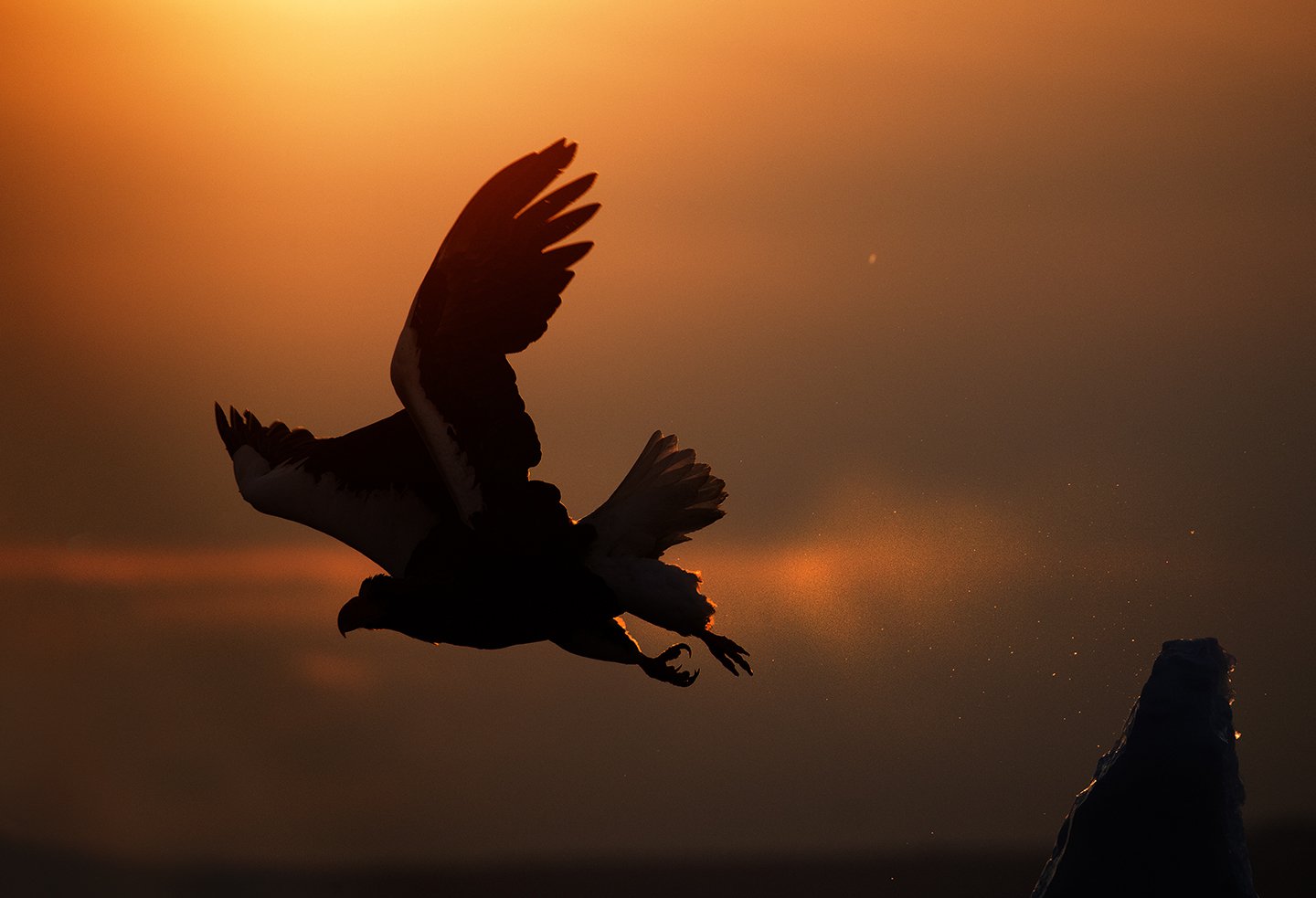
- Rausu and the Notsuke Peninsula: Prime winter viewing grounds for Steller’s sea eagles and white-tailed eagles gathering along the drift ice of the Nemuro Strait.
- Yakushima: A UNESCO-listed island of ancient cedar forest, home to the endemic Yaku macaque and Yaku deer, both smaller than their mainland relatives.
- Nara Park: Sacred sika deer roam freely through the park and surrounding temples, considered messengers of the gods in local tradition.
Planning your Japan wildlife journey
- Visit Hokkaido between January and February for snow monkeys, red-crowned cranes, wintering sea eagles and drift ice all within a single, well-connected itinerary.
- Spring and autumn are best for trekking in Yakushima’s forests, avoiding the heaviest summer rains.
- Whale watching off Okinawa and the Ogasawara Islands runs roughly January to April, when humpback whales migrate to warmer waters to breed.
- Many of Japan’s best wildlife sites sit close to hot spring towns and cultural landmarks, making it easy to combine wildlife viewing with the rest of a Japan itinerary.
In summary
Japan offers a wildlife experience unlike anywhere else — deeply seasonal, closely tied to culture and tradition, and ranging from snow-dusted macaques to cranes, sea eagles and ancient island forests.