/

Africa

/

Kenya

Kenya

Home to the Great Migration, iconic wildlife like Lions, Elephants, and Rhinos
Book Journey

Summary

(Kenya)

Kenya: A Canvas of Wild Elegance
Kenya is one of East Africa’s iconic wildlife destinations, where dramatic landscapes meet abundant fauna and culture. This country provides the perfect backdrop for high-end, small-group wildlife photography experiences. From shimmering Rift Valley lakes to acacia-lined savannahs, mist-filled mornings to back-lit elephants, Kenya offers a rich tapestry of photographic opportunities.

Why Kenya captivates travellers and photographers
With a wealth of diverse habitats — from coastal mangroves and lowland forest, to vast rangelands, high-altitude forest and mountains — Kenya hosts some of the most celebrated wildlife in the world. Mount Kenya, the Great Rift Valley, swamps and savannah plains form part of this story.  Wildlife-based tourism is firmly established here: it not only supports nature conservation but has become a cornerstone for the nation’s economy and local livelihoods.

Signature parks & their photographic allure

  • Maasai Mara National Reserve: The quintessential Kenya highlight – famous for the epic Great Wildebeest Migration and rich predator-prey drama, offering sweeping plains, river crossings and endless golden hour light.
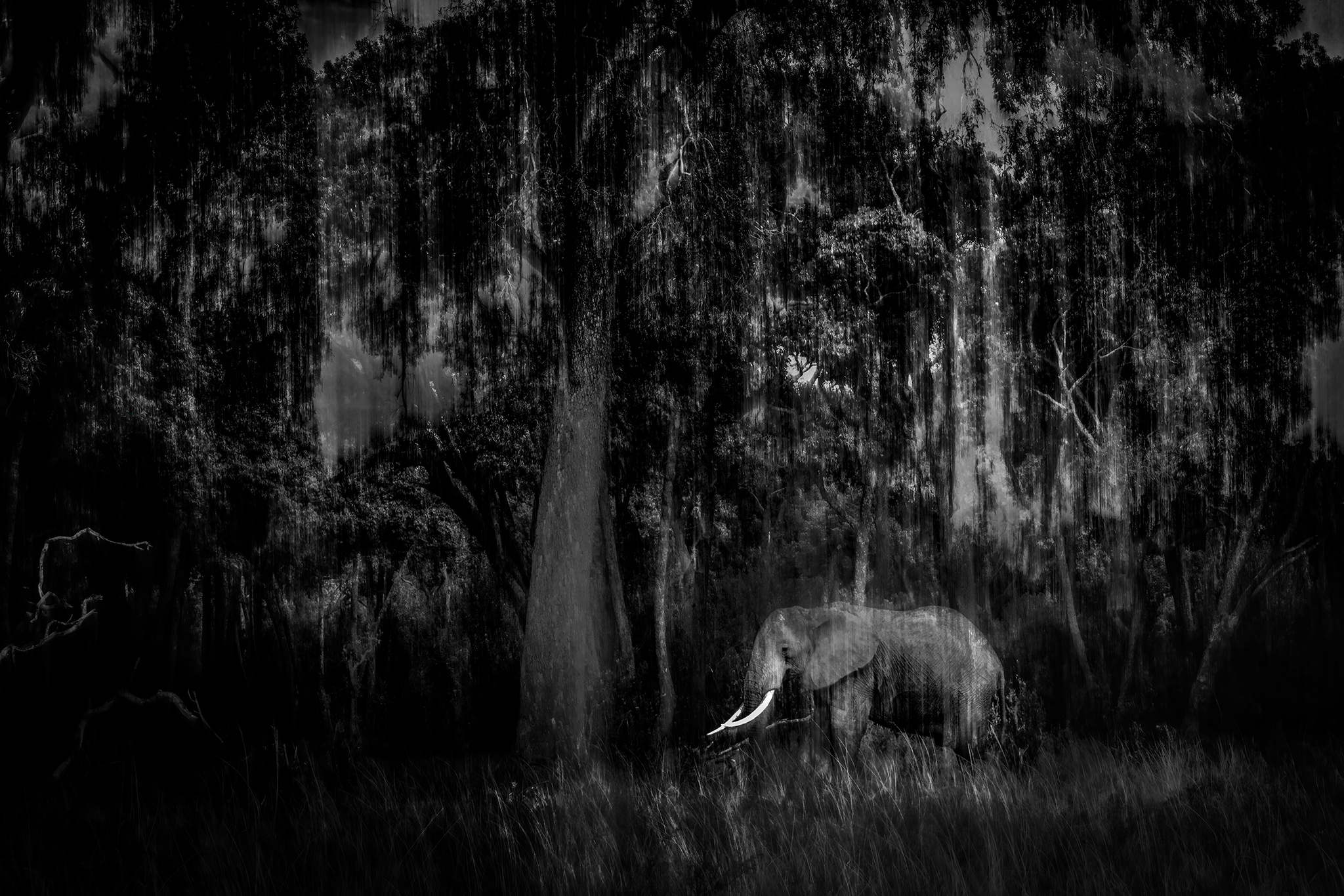
  • Amboseli National Park: Iconic for large herds of elephant framed by Kenya’s view of Mount Kilimanjaro, mixed habitats and favourable early morning mist and back-light conditions.
  • Nairobi National Park: Uniquely located near the capital, this park offers an accessible wildlife experience and is well suited for introductory photography sessions or perk-days around Nairobi.
  • Tsavo East National Park & Tsavo West National Park: Vast, wild terrain with less crowd-density, dramatic landscapes and “red elephants” (coated in volcanic dust) – ideal for exclusive, remote photographic experiences.
  • Lake Nakuru National Park: Contrasts the big-game savannah with wetlands, flocks of flamingos (seasonally), and rhinos – a perfect complement to a multi-habitat photography tour.
  • Mount Kenya National Park: Combining alpine/montane landscapes and forest wildlife, it offers a style variation for workshops moving beyond classic plains into high-altitude realms.


What this means for your photographic workshop business
Kenya provides the infrastructure, reputation and habitat diversity to host premium photography groups. You can design itineraries that match your preference for mist, fog, back-light and subject variety — combining early-morning wildlife drives, elevated viewpoints, lake reflections, mountain forest light and savannah drama.
For a small-group, personalised and immersive workshop model like yours, Kenya allows you to step away from mass-tourist routes into more tailored, boutique-style experiences: choosing photo-friendly camps, private concessions, flexible drive schedules, and perhaps even dawn or dusk vehicle privileges.
Framed within your brand emphasis on artistic wildlife photography, Kenya aligns strongly: iconic subjects, diverse settings, and high-value clientele potential.

Business & operational pointers

  • Select lodges/camps that understand and cater to photography (e.g., vehicles with high vantage, early start options, fewer vehicles around key sightings).
  • Time the itinerary to exploit golden light, atmospheric mist/fog, subject movement (for example the migration season in Maasai Mara), diverse terrains.
  • Incorporate your signature workshop components: pre-tour briefing, daily portfolio challenge, daily 30-minute thematic discussion, end-of-tour Q&A.
  • Emphasise conservation, community involvement and responsible tourism messaging — this resonates with high-end photographic clients and aligns with Kenya’s conservation goals.
  • Build in logistical buffers (arrival in Nairobi, internal transfers, acclimatisation) and select a mix of prime locations and quieter alternatives (to maintain the exclusive feel).


In summary
Kenya stands out as a premier destination for wildlife photography workshops. With its iconic parks, dramatic landscapes, strong tourism infrastructure and rich subject-matter potential, it offers the perfect stage for creating memorable, boutique photography journeys.


Iconic Destinations

Best Time to Visit

Jan
Diverse
Feb
Diverse
Mar
Diverse
Apr
Diverse
May
Good
Jun
Good
Jul
Outstanding
Aug
Outstanding
Sep
Outstanding
Oct
Outstanding
Nov
Outstanding
Dec
Good
Jan
Diverse
Feb
Diverse
Mar
Diverse
Apr
Diverse
May
Good
Jun
Good
Jul
Outstanding
Aug
Outstanding
Sep
Outstanding
Oct
Outstanding
Nov
Outstanding
Dec
Good
Upcoming Kenya
Signature Journeys

Upcoming Signature
Journeys

Suggested Itinerary for Kenya
Day 1

Arrival in Nairobi → Travel → Maasai Mara

Arrival in Nairobi → Travel → Maasai Mara

• Arrive Nairobi in the morning (or previous night), freshen up. Depart after breakfast toward the Maasai Mara. • En route, descend into the Rift Valley—stop at the Great Rift Valley viewpoint for scenery and birdlife. • Arrive in Mara by early afternoon, settle into camp or base. Afternoon game drive in the Mara, focusing on plains species: zebras, wildebeest, gazelles, elephants. • Evening: rest, sundowner views, listen for night activity.

Day 2

Full day in Maasai Mara (morning + afternoon drives)

 Full day in Maasai Mara (morning + afternoon drives)

• Early morning game drive at dawn, when predators are active—look for lions, leopards, cheetah, and early grazing. • Return to camp for midmorning rest / lunch. • Late afternoon drive into different Mara zones, perhaps toward river crossings (if in migration season). • Optional night drive (if allowed in conservancy zones) or guided walk near camp in twilight.terlude • Full day in Mara: morning drive, midday rest or photographic hide, late afternoon drive. • Option: add a balloon flight at dawn (if available), or visit a Maasai village to experience local

Day 3

Deep Mara exploration / optional interlude

Deep Mara exploration / optional interlude

• Full day in Mara: morning drive, midday rest or photographic hide, late afternoon drive. • Option: add a balloon flight at dawn (if available), or visit a Maasai village to experience local culture. • Focus on predator/ prey interactions, tracking individual leopards, checking waterholes. • Night: enjoy camp activities, star gazing.

Day 4

Maasai Mara → Lake Nakuru (Rift Valley transition)

Maasai Mara → Lake Nakuru (Rift Valley transition)

• After breakfast, depart Mara for Lake Nakuru (or Lake Naivasha / Nakuru area). • Arrive in time for lunch, then head out for afternoon game drive in Nakuru NP or its surrounds. • In Nakuru, look for rhinos (both black and white), Rothschild’s giraffe, waterbuck, warthogs, buffalo. • Walk to Baboon Cliff viewpoint for panoramic views over the lake and flamingos (if present). • Evening: relax, birdlife around the lodge, night calls.

Day 5

Morning in Nakuru → travel to Amboseli region

Morning in Nakuru → travel to Amboseli region

• Early morning game drive in Nakuru—wetland species, flamingos, raptors, and mammals near lake edge. • After midmorning break, depart toward Amboseli region. This is a long drive—expect ~6 to 7+ hours depending on route and stops. • En route, stop for lunch, photograph landscapes, maybe a roadside wildlife stop. • Reach Amboseli by late afternoon: settle in, short game drive for evening light, focus on elephants, buffalo, plains animals.

Day 6

Full day in Amboseli

• Dawn drive in Amboseli: great light, Mt. Kilimanjaro backdrop (if clear). Focus on large elephant herds, lion prides, zebra, wildebeest. • Midday rest in camp or undercover during hottest period. • Late afternoon drive again, exploring swampy zones, marsh edges, checking sightings around water sources and saline flats. • Evening: possibly night drive (if lodge / permit allows) observing nocturnal species like hyena, civet.

Day 7

Optional early morning drive → return to Nairobi

• Very early morning drive (if time) to catch last wildlife moments at dawn. • After breakfast, depart for Nairobi. Expect several hours on the road (or combine with a flight if available). • En route, stop for a last habitat / landscape photography break or cultural stop (Maasai community, viewpoints). • Arrive Nairobi by afternoon or evening, depart or overnight