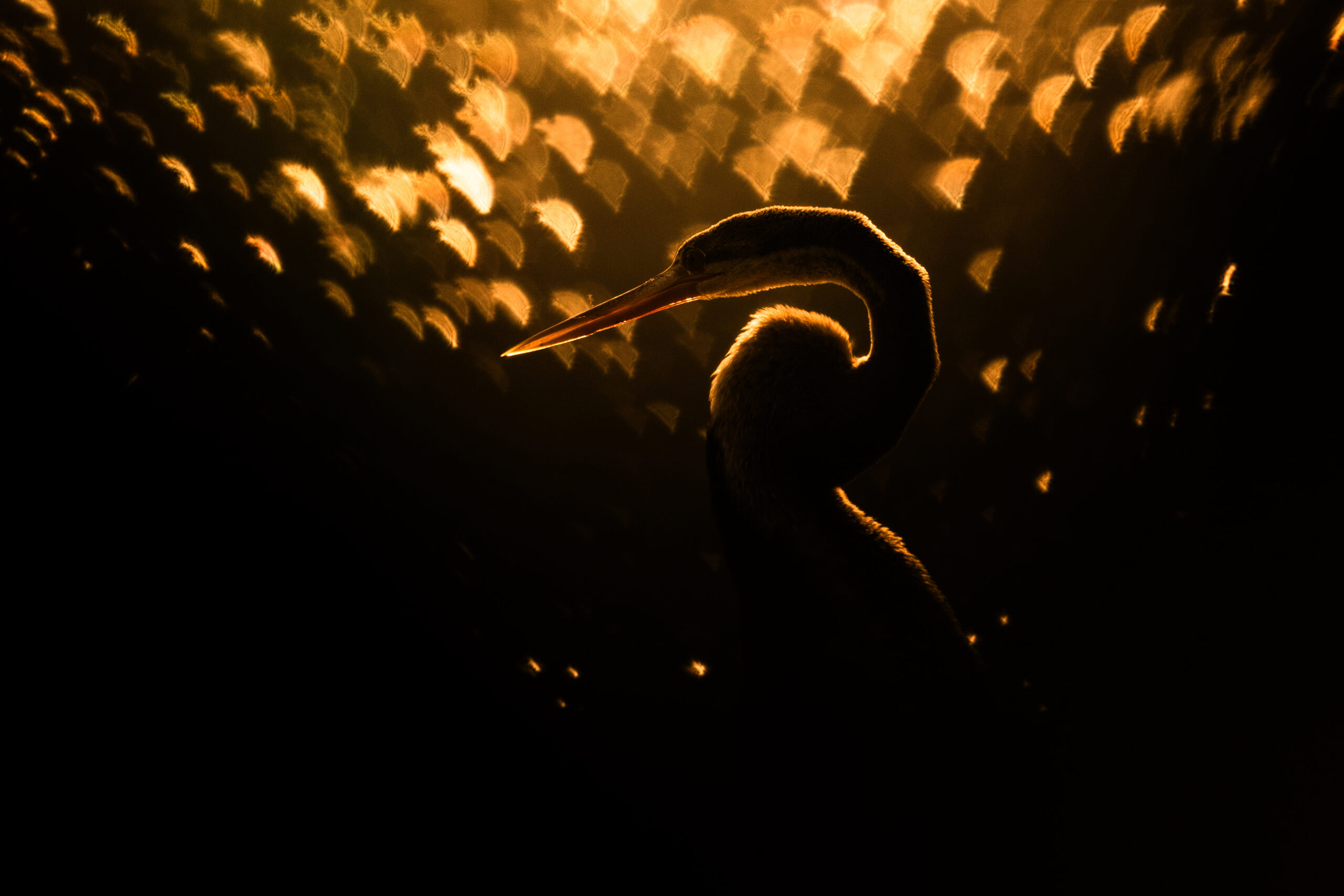
There are places that overwhelm you with scale.
And then there are places like Bharatpur — that reward you for slowing down.
Set within the historic Keoladeo National Park, this landscape is not about spectacle. It is about stillness, subtlety, and attention. It is about learning to observe — patiently — until the ordinary begins to feel extraordinary.
This journey is designed as a true masterclass in wildlife photography.
Not in the conventional sense of teaching settings, but in helping you understand how to see. Over four days, we work with light, behaviour, background, and composition — often revisiting the same subjects under changing conditions.
But what makes this journey truly different is its structure.
It combines immersive field sessions with dedicated classroom learning — allowing you to not only create images, but understand them.
You don’t just photograph moments.
You begin to interpret them.
Most of our wildlife experiences rely mostly on time in the field. Here, we take it further.
Across the journey, we follow a simple but powerful cycle:
Shoot → Review → Understand → Refine → Shoot Again
You will:
- spend meaningful time with subjects in the field
- return to structured classroom sessions
- review your images with clarity and intent
- understand what worked — and what didn’t
- go back into the field with a stronger approach
This is where real improvement happens.
Learning Beyond the Field
One of the defining aspects of this journey is the inclusion of dedicated classroom sessions.
These sessions are designed to complement your time in the field and accelerate your growth.
We will work on:
- Image Reviews — honest, constructive feedback
- Composition — simplifying frames and creating stronger structure
- Light & Mood — working with subtle, natural light
- Behaviour & Timing — anticipating moments rather than reacting to them
- Common Mistakes — identifying patterns that hold your work back
These are not lectures.
They are focused, interactive discussions — built around your images and real scenarios from the field.
Why Bharatpur
Bharatpur offers something rare.
Time.
Unlike faster-paced wildlife destinations, this is a place where you can stay with a subject, observe behaviour, and refine your approach without pressure.
The result is a very different kind of photography.
- soft, diffused winter light
- mist-filled mornings and layered backgrounds
- intimate encounters with birds and small mammals
- repeated opportunities to improve the same scene
It is one of the most effective environments to develop your eye.
Who This Journey is For
This journey is ideal for photographers who:
- want to improve their craft, not just collect sightings
- are open to feedback and refinement
- enjoy working patiently with a subject
- are looking to develop a stronger visual style
It is suitable for beginners with basic camera familiarity — but especially rewarding for those looking to evolve creatively.
Photographic Focus
Across the journey, Rahul will work closely with you on:
- simplifying compositions in complex environments
- using background and light intentionally
- reading behaviour and anticipating moments
- building images with clarity and structure
- understanding why certain images work — and others don’t
- translating classroom learning into field decisions
A Different Kind of Progress
Most photography improves slowly.
This journey is designed to accelerate that process.
By combining shooting with reflection, and experience with understanding, you begin to make better decisions — not weeks later, but the very next session.
That shift is what defines this masterclass.