Blogs / The Camera as My Pencil

The Camera as My Pencil

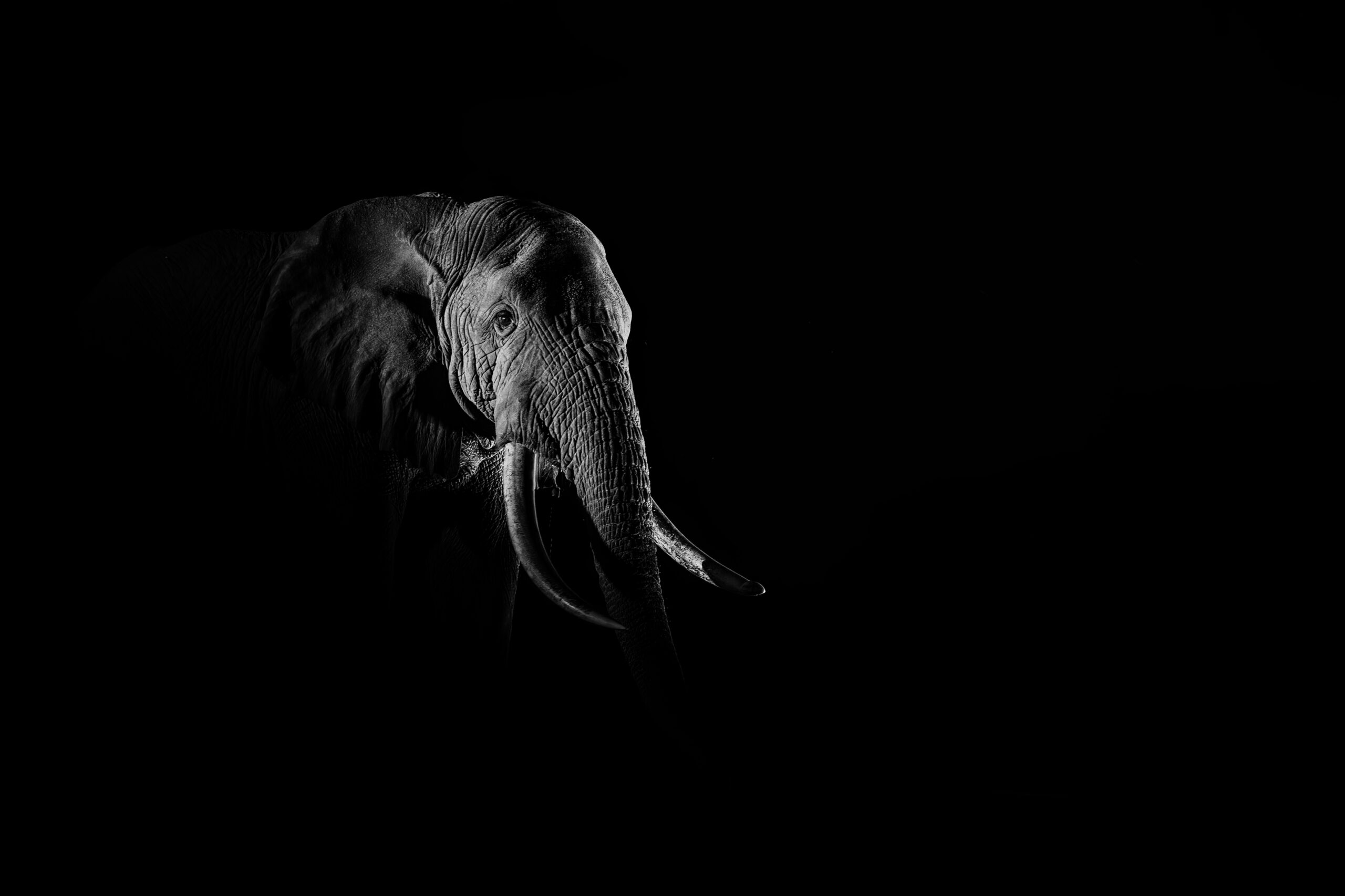
Photography is an art form, its a medium of expression. Its where the artists bring their visions, emotions, philosophy, struggles into the frame. Now, read that line again and keep a wildlife photographer in your mind.

That statement doesnt really land well anymore, does it?
 

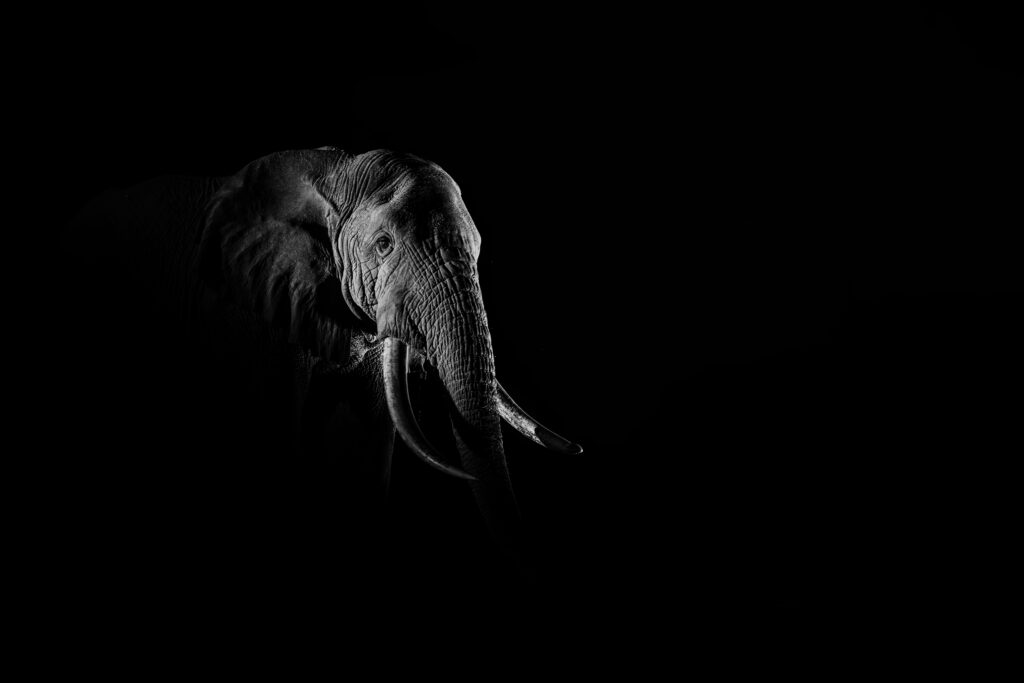
In my growing up years (and yes I am past that stage, I am now in what they want me to call growing old years :)) wildlife photography was never treated as an art form. It was more about being able to record whats happening. That itself seemed to be a struggle for someone like me. I am sure there were many many others in my shoes as well, where wildlife photography seemed to be only about being able to record an opportunity when it presented itself. A tiger or two dancing, A tiger making a kill, a cheetah hunt chase and so on. Armed with all of 9 focus points or less, wildlife photographers weren’t really equipped with the right tool in some sense to express themselves…..Wait, let me rephrase that… average wildlife photographers like myself werent really equipped with the right set of tools … and then started the revolution..first there was digital output, then there was the big focussing range / advancement and then there was the massive improvement in sensors (almost alongwith the mirrorless), slowly but steadily wildlife photographers were given tools that made recording an event much easier.

Much easier once you knew where exactly to be in the field… and that is much much easier said than done. I don’t claim to be brilliant at knowing that or many other important and essential skils but it definitely made life easier for photographers like me to start thinking about wildlife photography as more than a form of recording, more of a medium of expression…
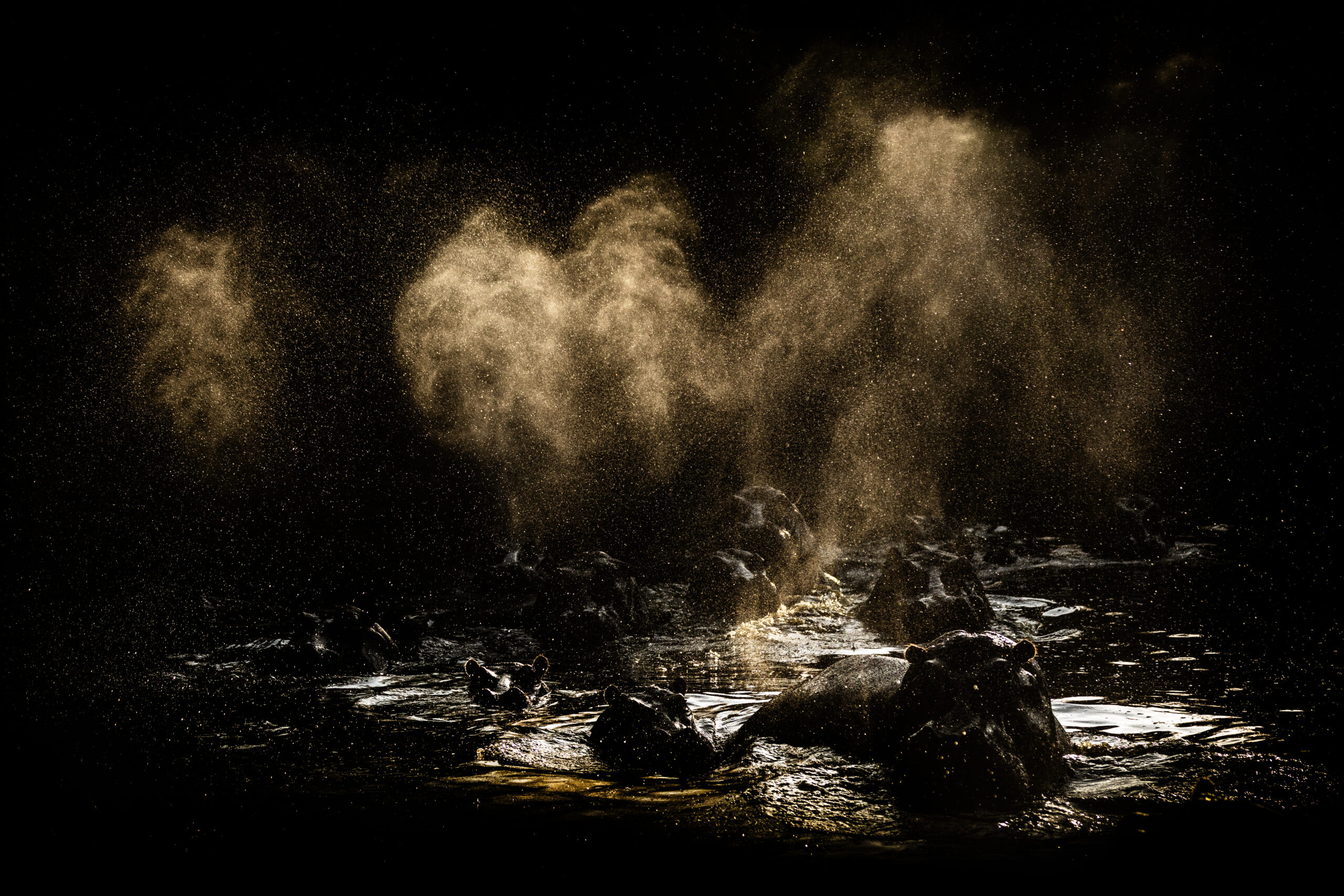
Shompole

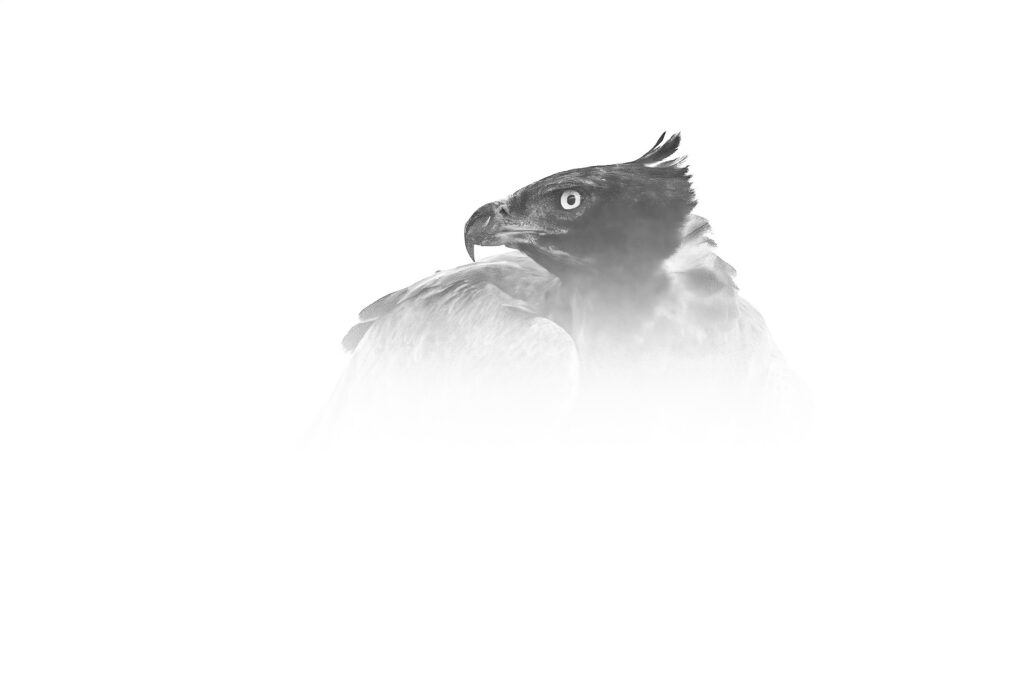
Once that set in, for me, wildlife photography took a very different route. Not that I made a conscious choice really, it just seemed to happen and a lot of my realisations are post-facto (as with most of my life). I remember a dear friend once asked me, why don’t you just paint/sketch for the kind of work you are doing as a photographer, why be a photographer and not depict exactly what you see. That got a smile on my face, the smile was because deep down, I knew I always wanted to be a painter/sketcher. I sketched as a kid and even then it was far from anything decent and unknowingly, my mind had seemingly gravitated back to that child who used to sketch every summer in the afternoons as soon as it got a chance. My medium had changed, the pencil was replaced by a camera (or at-least I seemed to be trying to) and I was in a happy space. I still am in that space. Now more consciously trying to sketch/paint my way through life with the camera.
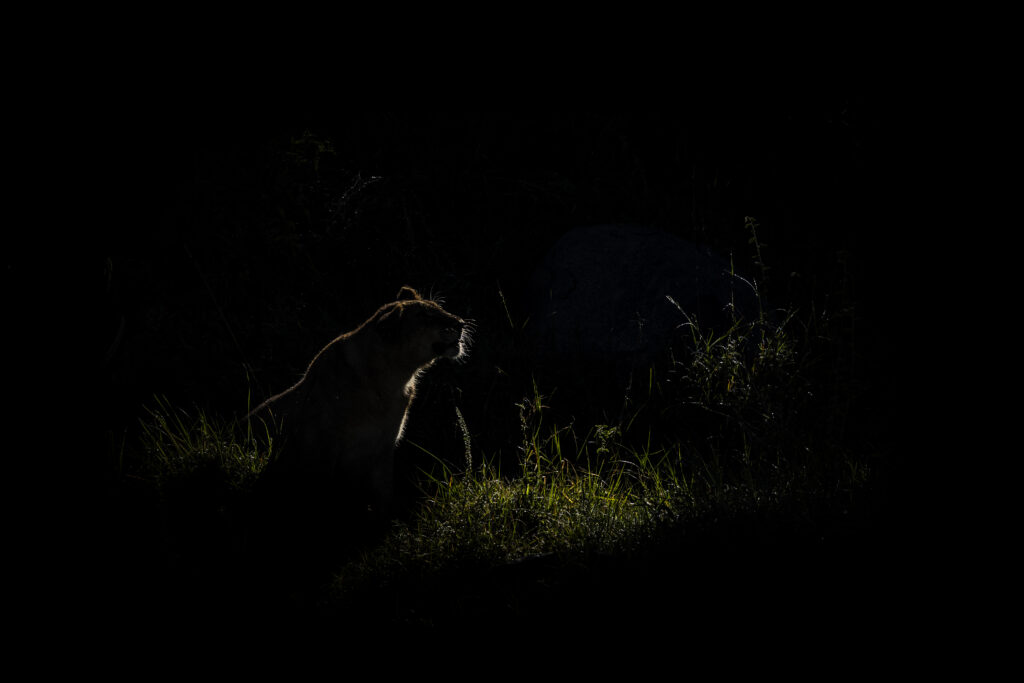
Does it mean I no longer do any documentation work? No, I do. I have not stopped loving wildlife and nature, so its inevitable that when I see something stunning, I would want to make a memory of it that outlasts me. I believe thats what got us all hooked to photography in the first place. To capture things we see and love and make memories that can travel on once we stop to but somewhere along the way, photography has given me a way to emote a little as well. Should everyone try and follow the path that I am on? No, I would be stupid to suggest that and I myself am unsure on where my path takes me next but I firmly believe that if its the ‘art’ that you are drawn to, then you should look at ‘creating’ and not just ‘recording’ moments.
 

-Rahul Sachdev

Similar Blogs

The Camera as My Pencil

The Camera as My Pencil

Shompole

There is a kind of travel that doesn’t just take you to new places, but awakens something ancient and remembering within you. That’s the essence of Kipekee Torus—a journey not driven by checklists or crowded itineraries, but by connection, presence, and the quiet pulse of wonder. When you step into the world through this lens, you begin to see travel not as an escape, but as a return—to the Earth, to forgotten rhythms, and to yourself. The landscapes you pass through—sacred mountains, sunlit coasts, winding village paths—are not just scenes for photographs.

They are living stories, and you are invited to be part of them, not as a tourist, but as a witness and participant. With Kipekee Torus, movement becomes meditation. Each step is an act of reverence. Time slows, senses heighten, and what once felt ordinary becomes luminous.

There is a certain humility in traveling this way—an honoring of local wisdom, the land’s spirit, and your own intuition. The torus, a symbol of infinite flow and balance, reflects the nature of these journeys: expansive yet centering, outward-reaching yet always circling back to something essential. Through this journeying, you don’t just collect experiences—you integrate them. The world becomes your mirror, and each encounter, whether with people, places, or silence itself, teaches you something about your place in the greater whole. This is not about going everywhere. It’s about going deeply.

Deep enough that even when the journey ends, something inside you has shifted. And that change—the subtle realignment of heart, mind, and soul—is the true destination.
There is a kind of travel that doesn’t just take you to new places, but awakens something ancient and remembering within you. That’s the essence of Kipekee Torus—a journey not driven by checklists or crowded itineraries, but by connection, presence, and the quiet pulse of wonder. When you step into the world through this lens, you begin to see travel not as an escape, but as a return—to the Earth, to forgotten rhythms, and to yourself. The landscapes you pass through—sacred mountains, sunlit coasts, winding village paths—are not just scenes for photographs.

They are living stories, and you are invited to be part of them, not as a tourist, but as a witness and participant. With Kipekee Torus, movement becomes meditation. Each step is an act of reverence. Time slows, senses heighten, and what once felt ordinary becomes luminous.

There is a certain humility in traveling this way—an honoring of local wisdom, the land’s spirit, and your own intuition. The torus, a symbol of infinite flow and balance, reflects the nature of these journeys: expansive yet centering, outward-reaching yet always circling back to something essential. Through this journeying, you don’t just collect experiences—you integrate them. The world becomes your mirror, and each encounter, whether with people, places, or silence itself, teaches you something about your place in the greater whole. This is not about going everywhere. It’s about going deeply.

Deep enough that even when the journey ends, something inside you has shifted. And that change—the subtle realignment of heart, mind, and soul—is the true destination.There is a kind of travel that doesn’t just take you to new places, but awakens something ancient and remembering within you. That’s the essence of Kipekee Torus—a journey not driven by checklists or crowded itineraries, but by connection, presence, and the quiet pulse of wonder. When you step into the world through this lens, you begin to see travel not as an escape, but as a return—to the Earth, to forgotten rhythms, and to yourself. The landscapes you pass through—sacred mountains, sunlit coasts, winding village paths—are not just scenes for photographs.

They are living stories, and you are invited to be part of them, not as a tourist, but as a witness and participant. With Kipekee Torus, movement becomes meditation. Each step is an act of reverence. Time slows, senses heighten, and what once felt ordinary becomes luminous.